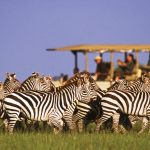
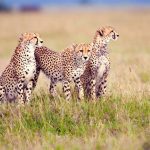
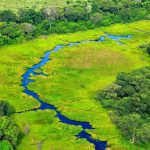
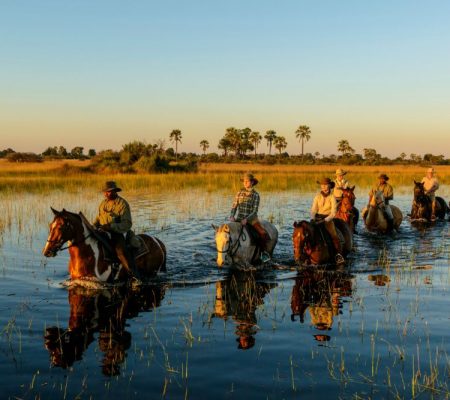
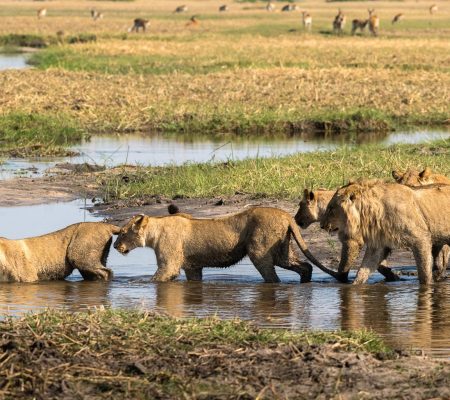
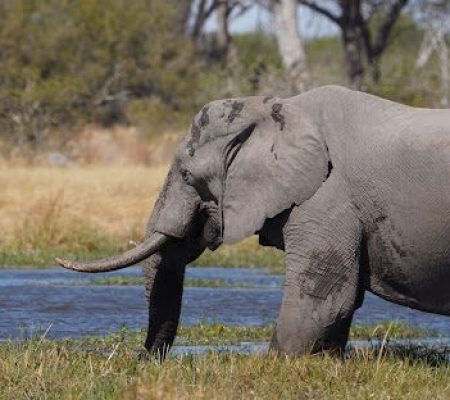
The Okavango Delta, a vast inland delta in Botswana, is a truly unique natural wonder and a UNESCO World Heritage Site. Unlike other deltas, it empties into a desert, creating a lush, verdant oasis that draws an immense concentration of wildlife. Its intricate network of channels, islands, and floodplains provides a diverse range of habitats. The annual floods, originating from the Angolan highlands, transform the landscape into a watery paradise, making it famous for its mokoro (traditional dugout canoe) safaris. This allows for silent, intimate wildlife viewing, often at water level. The Delta is renowned for its large elephant and buffalo herds, plentiful predators including lions and African wild dogs, and a phenomenal array of birdlife. It’s a low-impact, high-value safari destination, preserving its pristine wilderness.

The primary gateway is Maun Airport (MUB), from where light aircraft transfers connect to various safari airstrips within the Delta. Visas for Botswana are generally required for most nationalities. Malaria prophylaxis is recommended.
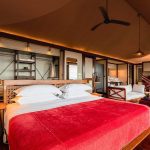
Accommodations in the Okavango Delta typically consist of small, exclusive, high-end tented camps and lodges. Many are “fly-in” camps, accessible only by light aircraft, offering a truly remote and intimate safari experience. They emphasize luxury, personalized service, and a deep connection to nature.